

 English
 Español
Aluminum Foil Containers are heat-resistant, 100% recyclable, and high-barrier packaging solutions used for cooking, freezing, and transporting food. They function as a "total barrier" that protects food from light, oxygen, and moisture, ensuring flavor preservation and extended shelf life. Unlike plastic, they can transition directly from a -20C freezer to a 250C oven without melting or leaching chemicals.
What Exactly is an Aluminum Foil Container?
An aluminum foil container is a tray or bowl pressed from high-purity aluminum alloy (typically 3003 or 8011 grade).
Is it different from "tin foil"?
Yes. While many customers call them "tin foil boxes," modern containers are actually 99% aluminum. According to the Aluminum Association, aluminum is used because it is more durable and cost-effective than tin, which has not been used for food wraps since World War II.
What are the different types available?
Wrinkle-Wall: The standard, "shiny" containers with folded sides used for takeaway.
Smooth-Wall: High-end, rigid containers with a flat rim, perfect for heat-sealing film.
Lacquered/Coated: Often gold or black, these have a food-grade polymer coating to handle highly acidic foods like tomato-based sauces.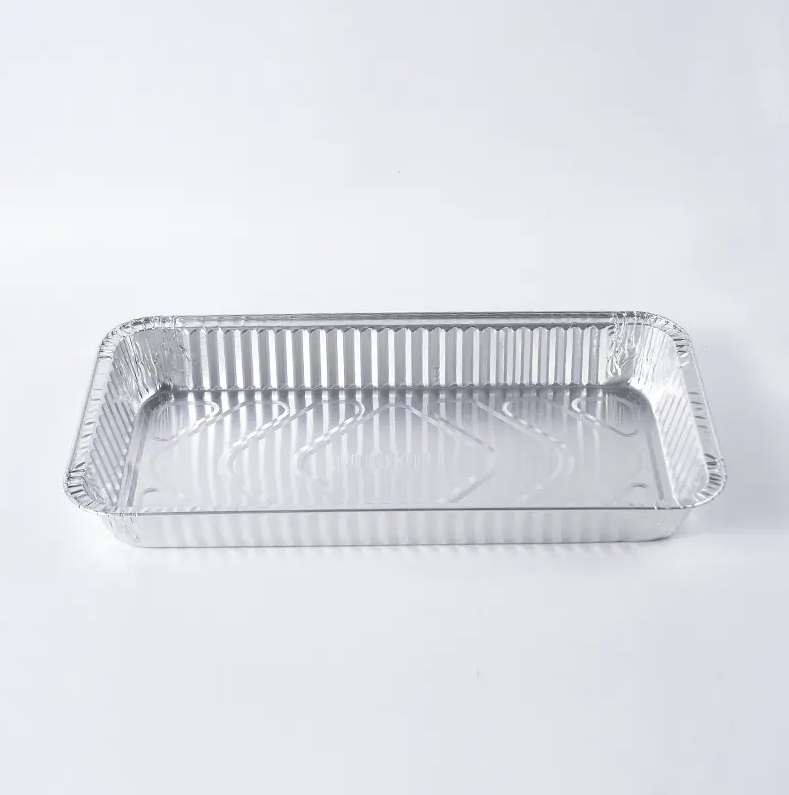
Why Should I Switch From Plastic to Aluminum?
The primary reason to switch is thermal stability and food safety.
Safety at High Temperatures: Many plastic containers (like PP or PS) can release Bisphenol A (BPA) or phthalates when heated. Aluminum is inorganic and does not migrate into food.
Superior Freshness: Aluminum has a water vapor transmission rate (WVTR) of zero. This means your food won't dry out in the freezer or lose its aroma during transport.
Sustainability Data: Aluminum is a "circular" material. According to World Aluminium, nearly 75% of all aluminum ever produced is still in use today because it can be recycled infinitely without losing quality.
When Is It Best to Use Aluminum Containers?
You should use Aluminum Foil Containers whenever the food requires reheating, long-distance transport, or premium presentation.
Air Fryer & Oven Cooking: They are the "gold standard" for air fryers because they conduct heat evenly.
Ready-to-Eat (RTE) Meals: Smooth-wall aluminum trays allow for Modified Atmosphere Packaging (MAP), which can extend shelf life significantly.
High-End Takeaway: For dishes like grilled fish, seafood, or pasta, aluminum holds heat much longer than paper or plastic.
How Do Aluminum Containers Work in a Microwave?
It is a common myth that metal cannot go in a microwave. According to a study by the Fraunhofer Institute for Process Engineering and Packaging, aluminum foil is safe for microwave use if these rules are followed:
Remove the lid: Only the open tray should be heated.
Center the tray: Ensure the metal does not touch the walls of the microwave (to prevent "arcing" or sparks).
Fill the container: At least 2/3 of the container should be filled with food to absorb the energy.
The Trade-off: You pay more per unit, but you reduce the risk of food spoilage and "soggy" deliveries, which often leads to higher customer retention and fewer refund requests.
What Should I Look For When Buying from a Factory?
To ensure you are getting a quality product and not "empty" thin foil, check these three technical specs:
1. Wall Thickness (Gauge)
Don't just ask for the price; ask for the micron thickness. A standard container is usually 60 micron to 80 micron. If a competitor is significantly cheaper, they are likely using 45 micron or 50 micron foil, which will collapse under the weight of heavy sauces.
2. Coating Quality
If you are packaging acidic or salty foods (like pickles or soy-based stews), ensure the factory uses an epoxy-phenolic lacquer. Uncoated aluminum can develop "pitting" (small holes) when exposed to salt and acid for long periods.
3. Rim Style (The "Flange")
For delivery, look for an IVC (Interrupted Vertical Curl) or a Full Curl rim. These provide more structural rigidity and help the lid stay on tighter during bumpy bike deliveries.
Choosing high-quality Aluminum Foil Containers is an investment in food safety, customer satisfaction, and long-term sustainability for modern food businesses.