

 English
 Español
In the catering, takeout, and food processing industries, choosing the right packaging container for food is crucial. Especially when high-temperature heating (such as oven baking and grilling) or holding acidic foods (such as lemon juice, vinegar, and ketchup) is involved, the safety, stability, and corrosion resistance of the container face severe challenges.
High-Temperature Challenges: Heat Resistance and Safety are Paramount
Traditional plastic containers may deform or release harmful substances at high temperatures, especially when food needs to be reheated or baked directly in the container. This is a concern for both catering businesses and consumers.
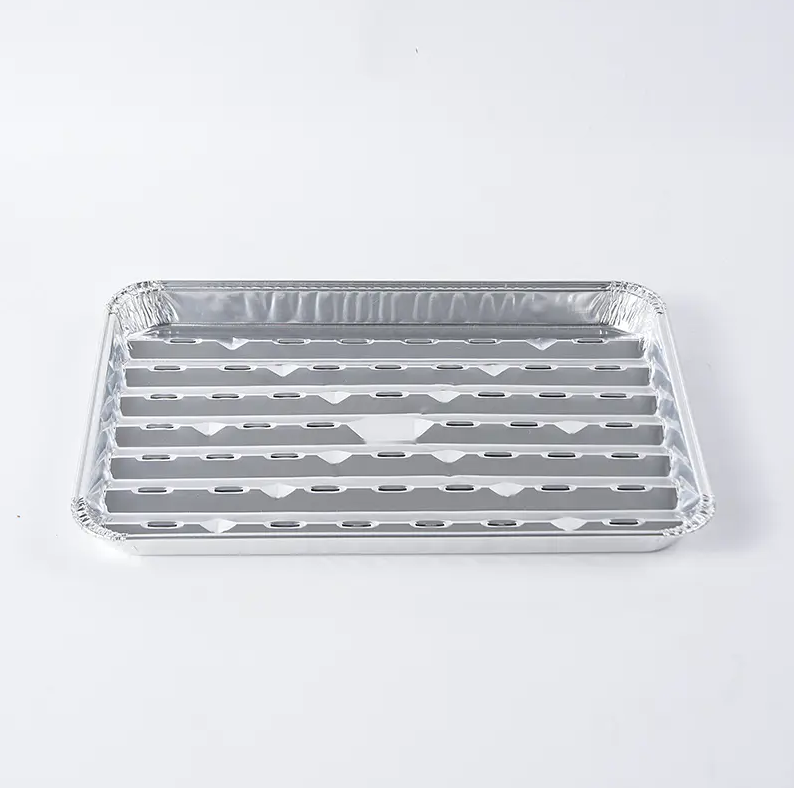
The core advantage of aluminum foil food containers lies in their superior heat resistance. Pure aluminum has an extremely high melting point, allowing it to be safely used in:
- Ovens and Grills: Aluminum foil containers can directly withstand temperatures up to several hundred degrees Celsius, making them ideal for baking pastries, grilling meats, or making baked dishes.
- Insulation: Aluminum's excellent thermal conductivity also means it effectively reflects heat, maintaining food temperature. For food delivery, aluminum foil containers maintain the ideal texture of food for a longer time than ordinary plastic boxes.
- Microwave Use (Professional Guidance Required): Newer smooth-walled aluminum foil containers can even be microwaved under certain conditions (ensuring no contact with the inner wall and no sparks), offering great convenience.
A Nemesis of Acidic Foods: Zero Corrosion and High Stability
Many delicious foods, such as salads, braised dishes, or dishes using a lot of seasonings, have a certain degree of acidity. Ordinary metals or inferior materials may react chemically when in contact with acidic substances, not only affecting the flavor of the food but also potentially releasing harmful ions.
Aluminum foil food containers exhibit high chemical stability in this regard.
- Inert Material: High-quality food-grade aluminum foil is a relatively inert material and is not prone to chemical reactions with acidic components in food.
- Protective Coating: Some high-end aluminum foil takeout boxes use a non-toxic, food-grade coating to further enhance their corrosion resistance, ensuring the original flavor and safety of the food.
- No risk of leakage: Aluminum foil containers are sturdy and impermeable, unlike some paper or foam containers, and will not leak when soaked in acids or greases.
This makes aluminum foil food containers ideal for sauces, marinades, or highly acidic dishes.
Environmental Trends: Sustainability and Recyclability
Beyond functionality, modern businesses are increasingly prioritizing sustainability.
Aluminum foil food containers are 100% recyclable. Compared to other single-use packaging, aluminum has high recycling efficiency and low energy consumption, making it the preferred choice for environmentally friendly food containers. Choosing aluminum foil containers is not only choosing safety and reliability but also a more responsible green packaging solution.
Facing the complex requirements of high-temperature heating and acidic foods, aluminum foil food containers, with their superior heat resistance, chemical stability, and environmental recyclability, are the most reliable choice on the market today. From high-end restaurant baking packaging to delivery containers in the takeout industry, it provides a solid guarantee for food safety and quality.