

 English
 Español
Yes, plastic wrap and cling film are the same product. The difference is purely regional terminology: "plastic wrap" is the common term used in North America, while "cling film" is widely used in the United Kingdom, Australia, and other parts of the world. Both refer to the thin, transparent, stretchable film made primarily from polyethylene (PE) or polyvinylidene chloride (PVDC) that clings to surfaces and is used to wrap and preserve food.
That said, while the names are interchangeable in everyday conversation, there are some nuances in materials, uses, and performance worth understanding before you buy or use either product.
Why Two Names for the Same Thing?
The divergence in naming follows classic British vs. American English patterns. In the United States and Canada, the product was marketed heavily under the name "plastic wrap" from the 1950s onward, emphasizing its material composition. In the UK and Commonwealth countries, the term "cling film" stuck because it describes the product's key physical behavior — it clings.
Other regional names you might encounter include:
- Glad wrap (used colloquially in Australia and New Zealand, derived from a popular brand name)
- Shrink wrap (sometimes used casually, though technically a different industrial product)
- Food wrap or kitchen wrap (generic descriptive terms used in various markets)
Regardless of what you call it, if you walk into any supermarket and ask for either "plastic wrap" or "cling film," you will be handed the same type of product.
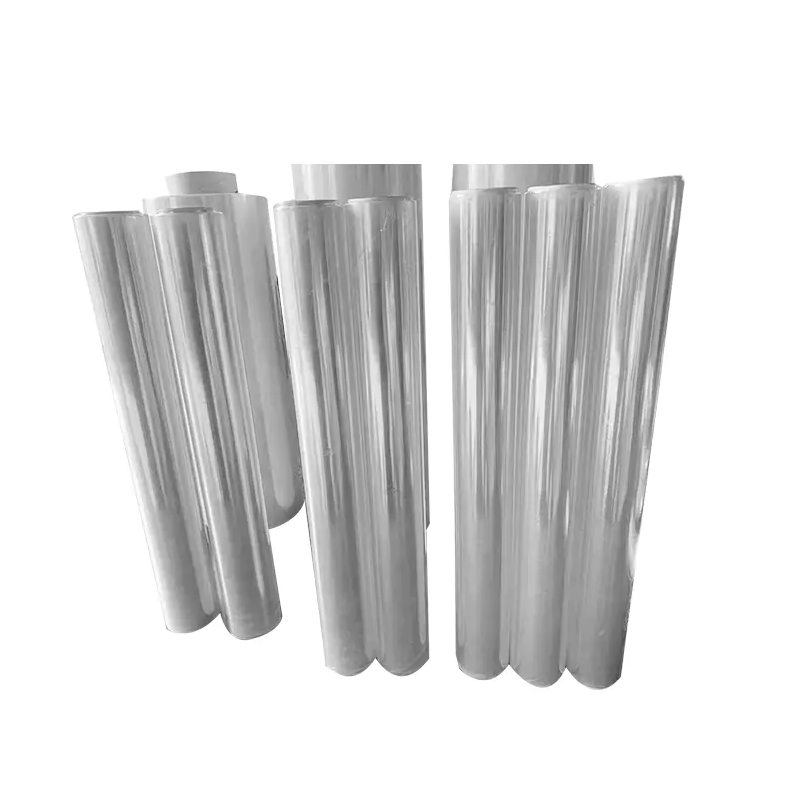
What Is Plastic Wrap / Cling Film Made Of?
Not all cling films are made from the same material, and the chemical composition actually affects performance, safety, and environmental impact significantly.
| Material | Cling Ability | Microwave Safe | Common Use |
|---|---|---|---|
| Polyethylene (PE) | Moderate | Generally Yes | Home kitchen, food storage |
| Polyvinylidene Chloride (PVDC) | Excellent | Check label | Professional kitchens, tight sealing |
| Polyvinyl Chloride (PVC) | Good | Not recommended | Commercial food packaging |
PE-based films are now the most common for consumer use because they avoid the potential health concerns associated with PVC plasticizers. PVDC films offer superior oxygen and moisture barrier properties, making them a preferred choice in professional food service environments where airtight sealing is critical.
How Does It Actually Cling?
The clinging mechanism involves a combination of physical and electrostatic forces rather than any adhesive coating. When you press cling film against a surface, it creates a mild static charge and relies on intermolecular van der Waals forces to adhere. This is why it sticks well to smooth, non-porous surfaces like glass bowls, ceramic plates, and itself, but less effectively on rough or waxy surfaces.
Some manufacturers add a thin layer of a clingy agent (such as polyisobutylene in PE-based wraps) to enhance adhesion without compromising food safety. This is why some wraps feel slightly tacky compared to others.
Key Uses of Plastic Wrap / Cling Film
Whether you call it plastic wrap or cling film, the practical applications are the same:
Food Storage and Preservation
Wrapping cut fruits, vegetables, and leftovers slows oxidation and moisture loss. For example, a cut avocado wrapped tightly in cling film can stay fresh for up to 2 days in the refrigerator, compared to browning within hours when left uncovered.
Covering Bowls and Containers
Cling film stretched over the top of a bowl creates an airtight seal that prevents odor transfer in the refrigerator and keeps food from drying out. This is particularly useful for marinating meats or storing leftover soups.
Cooking Applications
Professional chefs use cling film for:
- Sous vide cooking — wrapping food tightly before placing it in a water bath (always use heat-rated film)
- Rolling and shaping terrines, roulades, and sausages
- Steaming food parcels in the microwave
Non-Food Uses
Cling film is also used to protect surfaces during painting, wrap cables for organization, and even as a temporary protective covering for furniture or electronics during moving.
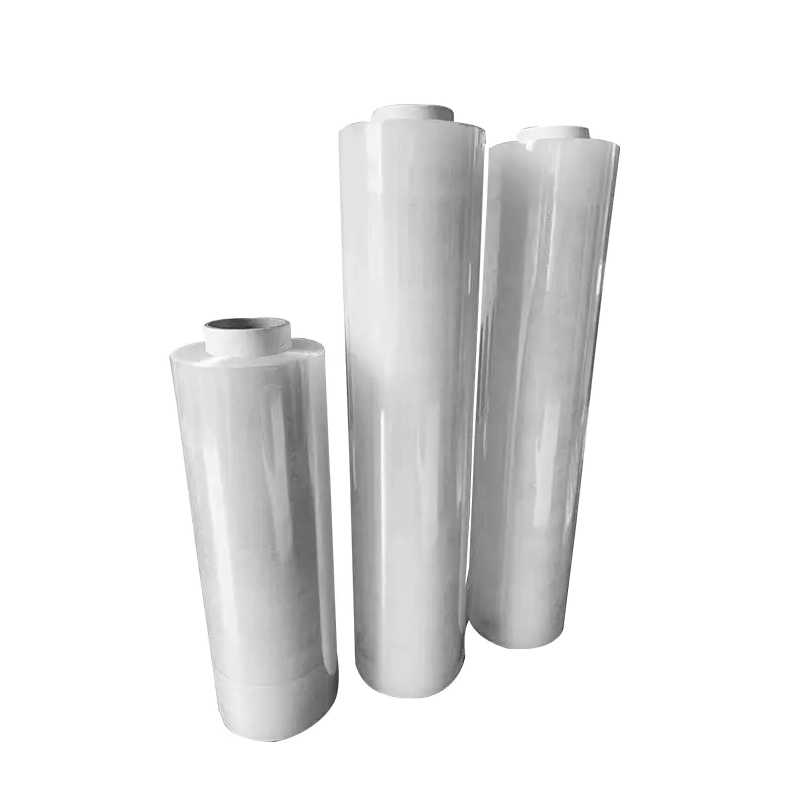
Is Plastic Wrap Safe to Use in the Microwave?
This is one of the most commonly asked questions — and the answer depends on the specific product. Not all cling films are microwave-safe. You must check the packaging for an explicit "microwave-safe" label before use.
When microwaving with cling film, follow these guidelines:
- Only use film labeled as microwave-safe
- Leave a small vent or corner open to allow steam to escape and prevent bursting
- Ensure the film does not directly touch the food surface, as direct contact at high heat can cause melting or chemical migration
- Avoid using PVC-based films in the microwave altogether
PE-based films rated for microwave use are considered safe under normal cooking temperatures. Studies from food safety agencies, including guidance from the FDA and EFSA, indicate that approved food-grade plastic wraps do not leach harmful chemicals into food when used as directed.
Environmental Impact and Alternatives
A significant downside of conventional plastic wrap and cling film is that most varieties are not recyclable through standard curbside programs due to their thin, flexible nature. They typically end up in landfill or contribute to plastic pollution if improperly disposed of.
If reducing plastic waste is a priority, consider these alternatives:
- Beeswax wraps — reusable, compostable, and effective for covering bowls and wrapping solid foods
- Silicone stretch lids — durable, dishwasher-safe covers that replace the bowl-covering function of cling film
- Reusable food bags — zip-seal silicone or fabric bags for storing snacks and leftovers
- Compostable cling film — newer plant-based options made from materials like cellulose that can be industrially composted
That said, conventional plastic wrap still has advantages in specific situations — particularly for tasks requiring very tight, airtight sealing or professional food preparation where hygiene standards are stringent.
Tips for Getting the Most Out of Plastic Wrap / Cling Film
Cling film can be frustrating to work with — it tangles, sticks to itself, and tears unexpectedly. Here are practical tips to make it easier:
- Chill the roll — storing cling film in the refrigerator makes it less likely to stick to itself and easier to unroll cleanly.
- Dampen the rim — lightly wetting the edge of a bowl before applying cling film improves adhesion and creates a better seal.
- Use a box cutter or serrated edge — always cut with the built-in serrated edge rather than tearing freehand to get clean, straight cuts.
- Stretch, don't just lay — lightly stretching the film as you apply it activates its cling properties more effectively.
- Fold edges under — for maximum freshness, tuck and fold the edges of the wrap underneath the container rather than leaving them loose.
Quick Summary
| Question | Answer |
|---|---|
| Are plastic wrap and cling film the same? | Yes — different names for the same product |
| Which term is used where? | Plastic wrap (North America); Cling film (UK, Australia) |
| Most common material today? | Polyethylene (PE) |
| Safe for microwave? | Only if labeled microwave-safe |
| Recyclable? | Generally not via standard curbside programs |