

 English
 Español
In the food preservation and packaging field, PE Plastic Wrap has become an important tool in modern households and the food industry due to its excellent breathability, moisture resistance, and chemical stability. As a packaging material specifically designed for food, proper use can not only extend the shelf life of ingredients but also ensure dietary health.
Identifying the Material Characteristics of Food-Grade PE Plastic Wrap
Not all plastic films are suitable for direct contact with food. High-quality food-grade PE Plastic Wrap is mainly made of low-density polyethylene (LDPE) or linear low-density polyethylene (LLDPE).
- High Safety: Food-grade PE is free of bisphenol A (BPA) and plasticizers (DEHP) and is extremely stable at room temperature.
- Moderate Breathability: Compared to PVC, PE has better breathability, maintaining the "breathing" balance of fruits and vegetables and preventing excessive moisture loss.
- Low-Temperature Resistance: Its embrittlement temperature is as low as -60 °C, making it ideal as packaging material for refrigerated and frozen foods.
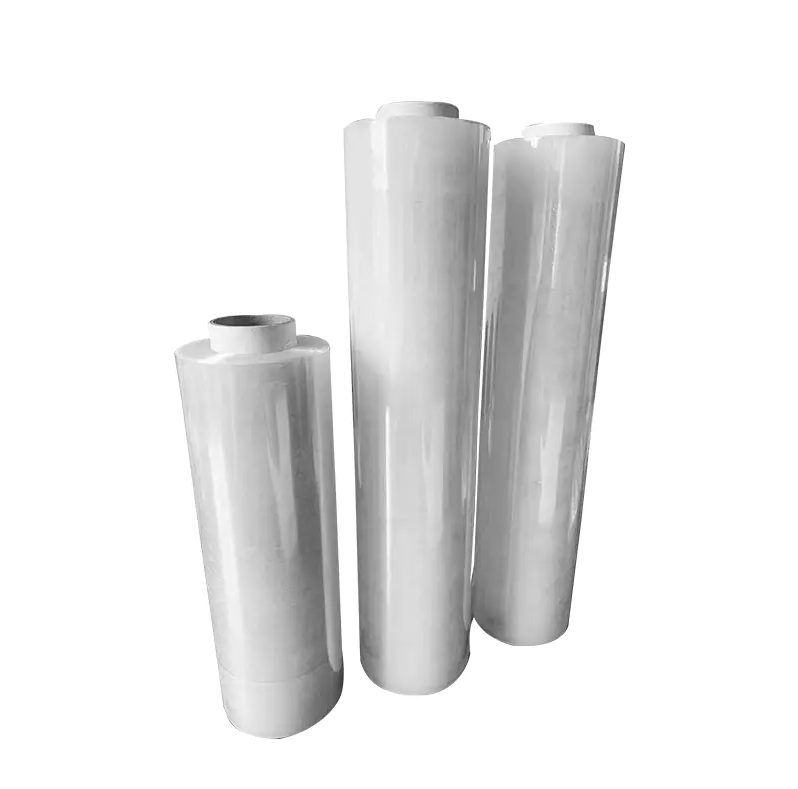
Proper Heating and Usage Boundaries in the Kitchen
In daily cooking, the heat resistance limit of PE Plastic Wrap is the most important indicator for users. Generally, food-grade PE has a softening point of around 110 °C, so temperature guidelines must be strictly followed during use:
| Application Method | Operation Recommendation | Risk Warning |
| Refrigeration Preservation | Directly wrap vegetables, fruits, and meat | Excellent preservation effect, can extend shelf life by 3–5 days |
| Microwave Heating | Cover the top of the container, avoid direct contact with food | Leave at least 2 cm of space and pierce holes for ventilation |
| Steaming / Boiling Heating | Not recommended for use in high-temperature steaming environments | Water steam temperature can reach above 100°C, which may cause film damage |
When microwaving foods with high oil content (such as braised pork or dishes containing butter), the temperature of the oil will rapidly rise to over 150 °C under microwave induction. If the PE Plastic Wrap is directly applied to the surface of these foods, the high temperature will cause the film to melt, and may even cause chemical molecules to migrate into the food.
Wrapping Techniques for Different Types of Food
Proper use of PE Plastic Wrap is not just about covering, but also an art of maintaining the active balance of food:
- Water-rich fruits and vegetables: such as lettuce and strawberries. Avoid wrapping too tightly, leaving a small amount of air to prevent spoilage due to anaerobic respiration.
- Fresh meat: Wrapping tightly with PE Plastic Wrap before freezing allows air to escape, effectively preventing "freezing burn" (i.e., spoilage caused by dehydration and oxidation on the surface of the meat).
- High-fat and cooked foods: It is recommended to place food in a deep dish or ceramic bowl first, then cover the container opening with the film to avoid direct physical and chemical interaction between plastic molecules and oils.
The impact of storage environment on PE film performance
The physicochemical properties of PE Plastic Wrap fluctuate with changes in the storage environment. Incorrect storage methods can lead to film aging and decreased self-adhesion.
- Avoid high temperatures: Long-term storage near stoves or in direct sunlight can cause thermal degradation of polyethylene molecules, reducing the film's toughness and making it prone to breakage when stretched.
- Dust and moisture protection: Exposure to dusty environments can damage the electrostatic adsorption force (i.e., self-adhesion) of the film surface, resulting in poor sealing when wrapping.
- Shelf life monitoring: It is recommended to use the film within 24 months of the production date. Expired films may become brittle, significantly reducing their protective performance.
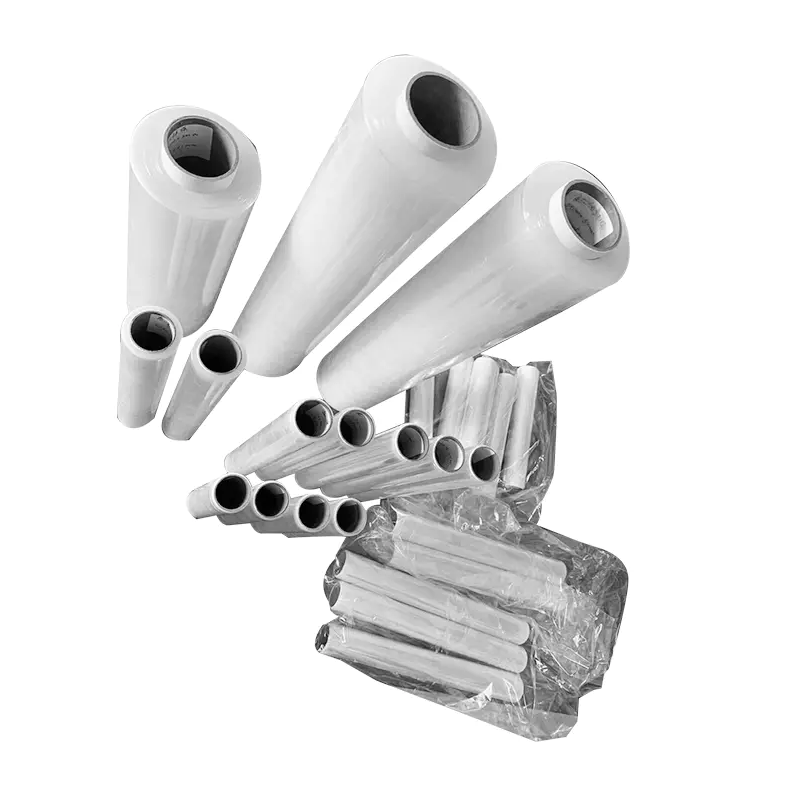
Environmental disposal: The recycling value of food films
Because PE Plastic Wraps often become contaminated with oil after food packaging, recycling presents a challenge.
To achieve sustainable resource utilization, users are advised to rinse the film with water after use on non-greasy foods (such as those wrapped around dried fruits or vegetables) and classify it as "recyclable." Data shows that recycled PE granules can be used to manufacture non-food grade industrial packaging or plastic building materials, significantly reducing carbon footprint.