

 English
 Español
In modern kitchens and the food industry, aluminum foil food containers are widely popular due to their lightweight, rapid heat conduction, and ease of recycling. However, a common question is: is it safe to store food, especially acidic or salty foods, in aluminum containers?
A Scientific Exploration of Aluminum Containers and Food Safety
Aluminum is the third most abundant element in the Earth's crust, and it is present in many items we encounter in our daily lives, including cookware, canned goods, and most importantly, aluminum foil food containers.
1. Aluminum Release and Absorption
When Aluminum Containers come into contact with food, trace amounts of aluminum ions may migrate into the food. The extent of this migration is influenced by several factors:
Food pH: Acidic foods (such as tomatoes, lemon juice, and vinegar) and salty foods accelerate aluminum dissolution and migration.
Temperature: High-temperature cooking or heating increases aluminum release.
Contact Time: The longer food is stored in aluminum foil containers, the higher the migration may be.
2. Opinions from Authoritative Organizations
The World Health Organization (WHO) and national food safety agencies (such as the US FDA and the European EFSA) have set safe upper limits for aluminum intake in food. It is generally believed that the vast majority of aluminum ingested through diet is excreted by the body.
General Conclusion: Under normal cooking and short-term storage conditions, aluminum intake from using aluminum foil food containers or aluminum cookware is generally far below internationally recognized safe levels. The risk is extremely low for short-term storage and heating of non-acidic or non-salty foods.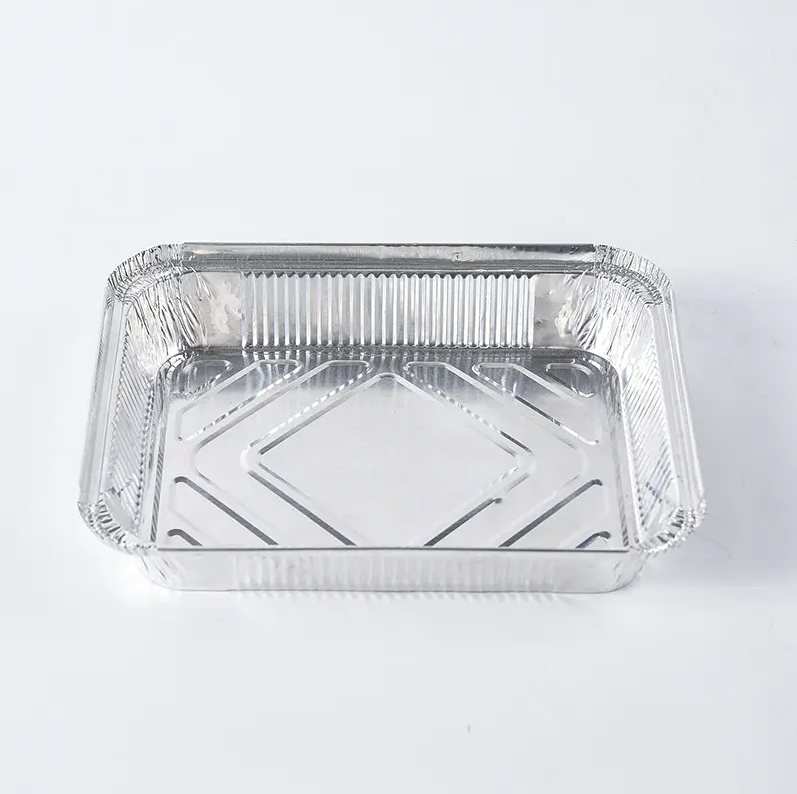
Practical Recommendations for Using Aluminum Foil Containers
While Aluminum Containers are safe in most cases, following some best practices can further reduce potential risks and ensure your food hygiene and quality:
Avoid prolonged storage of acidic or high-salt foods: Avoid using aluminum foil food containers for long-term storage of foods containing tomatoes, vinegar, lemon juice, or high levels of salt. If storing such foods is necessary, glass or ceramic containers should be preferred.
Choose the Right Use: Aluminum foil food containers are best suited for short-term heating, baking, and quick packaging, especially useful in the takeout industry.
Understand the Product Material: Ensure you purchase food-grade aluminum foil products. Reputable food packaging material manufacturers adhere to stringent standards.
Recycling: Aluminum foil is highly recyclable. After use, please wash and recycle it. This is not only environmentally friendly but also reflects responsible consumption.
Conclusion
Aluminum foil food containers remain the mainstream choice in the market due to their irreplaceable convenience, excellent thermal conductivity, and wide application in food packaging.
As long as you avoid prolonged storage of strongly acidic or high-salt foods and do not use aluminum foil for extremely long periods of high-temperature cooking, using Aluminum Containers to store food is safe and meets food safety standards. Consumers can enjoy the convenience of aluminum foil food containers while maintaining appropriate vigilance and proper handling habits.
Always stay informed about the latest food safety research and regulatory developments to ensure that the food packaging materials you use are safe and reliable. If you have any questions about a specific aluminum foil container product, it is recommended to consult the manufacturer's safety instructions.